Article Courtesy of Today's Grocer
By: Marjorie Proctor, Senior Marketing Manager at Hillphoenix, part of Dover Food Retail
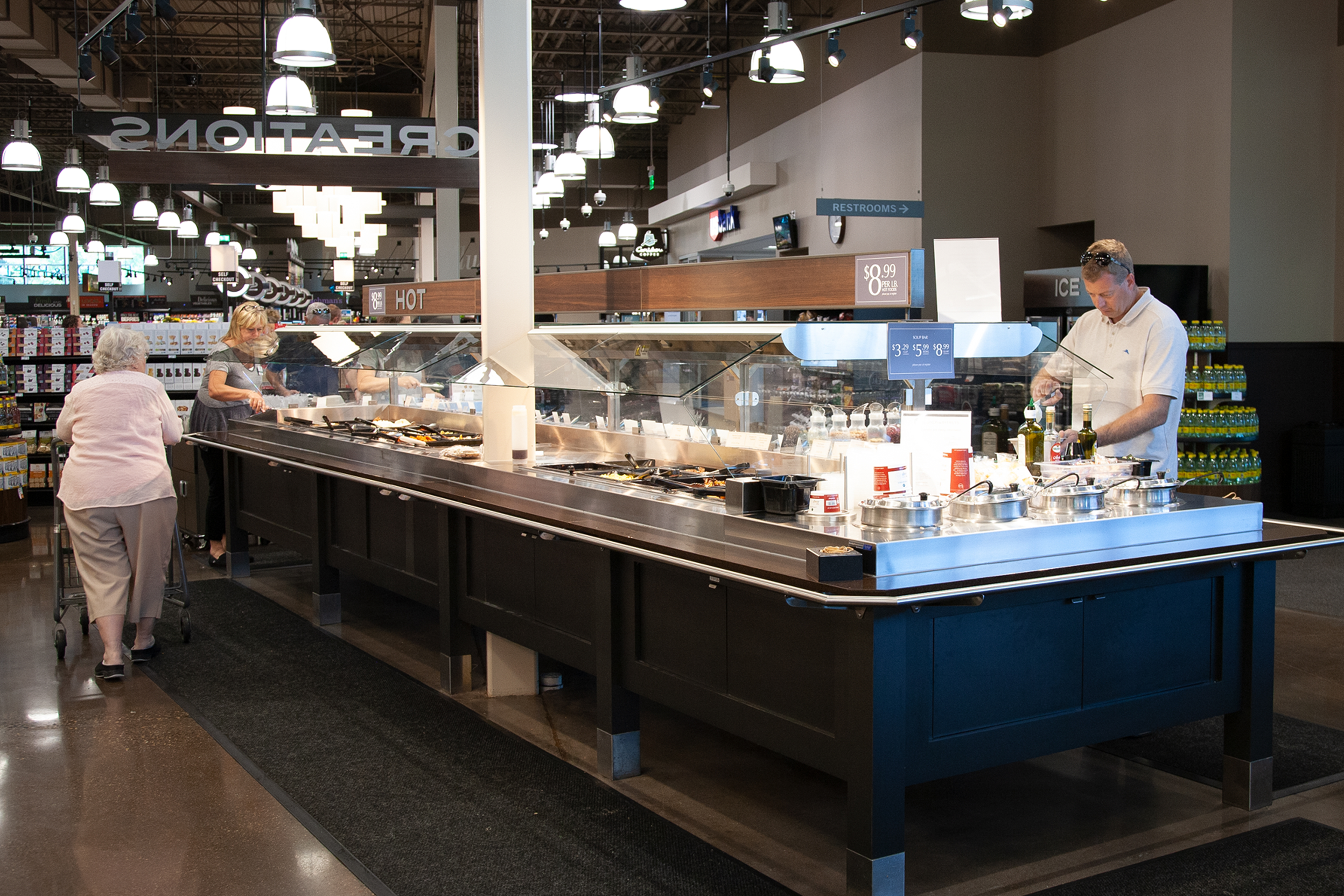
Inflation is fundamentally rewriting the retail breakfast, lunch and dinner playbook.
Some consumers are becoming exhausted by restaurant menu price inflation, service fees and tipping fatigue. On the other hand, cooking every meal from scratch can also be exhausting and it's far from convenient. Shoppers are discovering “The Third Way.” It’s not cooking, and it’s not dining out. It’s retail foodservice.
Shifting Consumer Behavior Creates Retailer Opportunities
According to data from FMI’s latest The Power of Foodservice at Retail report, economic friction is driving this major behavioral shift. Consumers are increasingly embracing grocery foodservice as their preferred alternative to traditional restaurant dining.
For shoppers looking to save time and stay on a budget, the hot food bar is becoming a secret weapon for getting the night off from cooking without the big restaurant receipt.
For retailers, this moment represents a massive opportunity. Food retailers can capture the displaced “casual dining” budget by shifting their perspective on the food bar. The secret lies in a narrative pivot: position your foodservice offerings as the shopper’s ultimate inflation hack. No longer simple convenience stations, hot and cold food bars are a strategic financial tool.
The Retail Foodservice Value Equation
Retail foodservice delivers flexibility and value at a time when consumers feel trapped by rising food costs. When a family orders traditional restaurant takeout or visits a fast-food drive-thru, they must purchase standard entree sizes at fixed menu prices, regardless of appetite or existing leftovers waiting at home. This often leads to overspending or unnecessary food waste, which are two major pain points for today's budget-conscious shoppers.
Grocery food bars break this mold entirely by offering micro-customization.
With a self-serve bar, portion control is budget control. By paying strictly by weight, shoppers can micromanage their dinner spending down to the penny. If a shopper only wants four ounces of premium mac-and-cheese to supplement leftover chicken at home, they can buy precisely that. Food bars also help consumers eliminate food waste, offering the luxury of a prepared meal while keeping more of their food budget in-store.
Food Bars Make Your Store the Hybrid Meal Hero
To capture budget-conscious shoppers looking for convenience and quality, smart retailers are moving away from treating the hot food bar as an isolated island. Instead, they are training shoppers to see it as the anchor of their hybrid meal strategies.
Consider this modular dinner solution: a busy parent walks into the deli, picks up a value-priced, pre-packaged rotisserie chicken, swings by the hot food bar to grab a premium side of hot roasted Mediterranean vegetables, and finishes at the cold food bar with a crisp Caesar salad. The result is an elevated, balanced dinner for a family of four, assembled in minutes for under $25, while keeping the full-meal mission within the retailer's ecosystem.
By seamlessly integrating your food bar with traditional deli and grocery items, retailers create an unshakeable one-stop destination for hot meals at dinner and a stronger reason for shoppers to choose the store.
This article originally appeared on page 4 of Today's Grocer, Volume 65, Number 9.